Thinking about an oceanfront condo you can enjoy and rent when you are not here? You are not alone. Many Grand Strand buyers want flexible use plus rental income, but the rules and financing can be confusing. In this guide, you will learn what a condotel is, how it works in Myrtle Beach, how financing and insurance differ from a typical condo, and what due diligence protects you before you buy. Let’s dive in.
What a condotel is
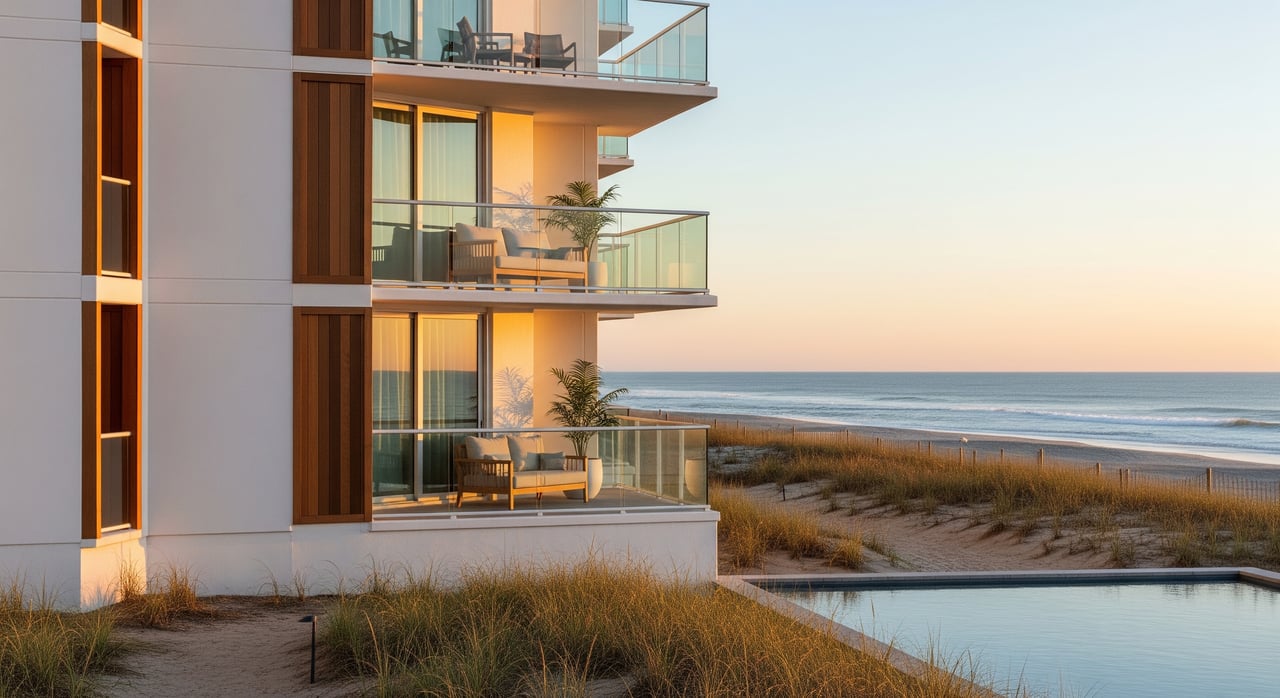
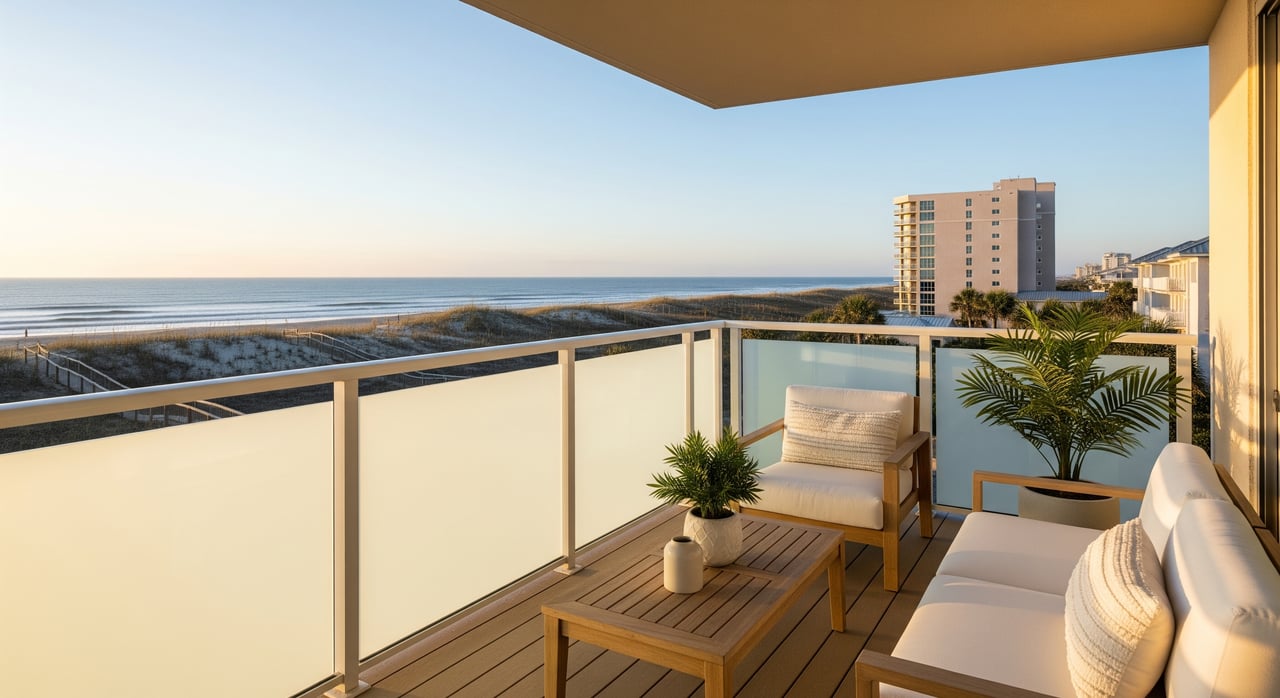
A condotel is a condominium unit inside a building that runs like a hotel. You own your unit and a share of common elements, but the property offers hotel-style services and an on-site rental program. You can use the unit yourself and also rent it short term to guests.
Typical condotel features include a centralized front desk and reservations, housekeeping on guest turnover, and resort-style amenities like pools, restaurants, and spas. A rental management or operating agreement explains how your unit is marketed, how bookings work, and how revenue is split.
How condotels differ from condos
While a traditional condo is set up mostly for long-term residential use, a condotel is designed for short stays. Operations look and feel like a hotel. You will often see 24/7 front-desk service and daily housekeeping options that standard condo buildings do not provide.
Governance also differs. Condotels may have additional rules in their CC&Rs, such as owner-use calendars, blackout dates, or required participation in a rental program. Financially, you may receive a portion of rental revenue after management fees, taxes, and HOA assessments. Lenders also underwrite condotels differently than standard condos.
Owner use and rentals
Common rental programs
- Voluntary rental pool: You can opt in to the on-site program and receive your share of revenue.
- Mandatory program: Some buildings require participation, often for a minimum term with a set split.
- Hybrid: You can combine independent renting during certain periods with the on-site program, subject to rules.
What to confirm before you buy
- Is rental participation optional or required? Are there penalties for opting out?
- Fee structure: management commission, reservations, marketing, housekeeping, and guest taxes. Are fees fixed or a percentage of gross revenue?
- Revenue timing: when owner distributions are paid, whether reserves are withheld, and if numbers are gross or net.
- Owner control: can you set minimum stays, reject certain bookings, or list on third-party platforms?
- Transfer rules: does the rental agreement bind future buyers? When can it be terminated?
What this means for your use
Myrtle Beach demand is highly seasonal. Summer weeks book early and carry higher rates. Off-season occupancy and nightly rates are lower. Owner-use calendars and blackout dates may limit personal stays in peak periods, so read the documents closely if you plan to use your unit during summer.
Financing and down payments
How lenders classify condotels
Lenders may treat a condotel as a second home, an investment property, or in some cases as a hotel-style commercial asset. The classification depends on the building’s operations, rental program, and how the project fits agency and lender guidelines.
Agency programs like Fannie Mae, Freddie Mac, FHA, and VA apply specific condo project standards. Many condotels do not meet those standards, so some popular low-down-payment options are not available. Local banks and portfolio lenders sometimes offer dedicated condotel loans.
What this means for you
- Expect larger down payments and more conservative loan-to-value ratios than for a typical residential condo.
- Rates may be higher and available programs fewer than you might see with a standard condo loan.
- Lenders may discount or exclude projected rental income unless there is a reliable history. For certain loan types, the lender may focus on property cash flow instead of your personal income alone.
Steps to take now
- Ask lenders upfront whether the specific building is treated as a residential condo, a condotel, or a hotel.
- Prequalify with a lender that finances condotels on the Grand Strand before you tour or write offers.
- Get written guidance on required down payment and whether rental income can count toward your qualification.
Insurance and taxes
Insurance basics
In a condotel, the building’s master policy can look more like a hotel policy. It may not cover your unit’s contents, upgrades, or certain liabilities. You will likely need an HO-6 policy for the unit, plus endorsements that address frequent rentals and liability limits the building requires. If the property is oceanfront or in a mapped flood zone, lenders typically require flood insurance, and you should confirm the flood zone and elevation for the specific unit.
Taxes and reporting
Short-term rentals are usually subject to local transient occupancy or hotel taxes. In most condotels, the management company collects and remits these taxes and deducts them before paying you. Rental income is taxable. You may be able to deduct mortgage interest, a portion of HOA dues tied to rental use, management fees, repairs, and depreciation. If you provide substantial services yourself, tax treatment can change, so consult a qualified tax professional.
Accounting and statements
Ask for audited or management-prepared financials for the association and rental program. Confirm how gross rental revenue is defined and what is deducted before your payout. Request sample owner statements so you can see how fees, taxes, and reserves affect net income.
Due diligence in Myrtle Beach
Documents to review
- CC&Rs, bylaws, and rules and regulations
- Rental management agreement and any mandatory rental addenda
- HOA budgets, balance sheet, reserve study, and meeting minutes for the past 12 to 24 months
- Unit-level rental history and recent owner distribution reports, if available
- Litigation reports for the association or developer
- Insurance summaries for the master policy and owner requirements
- Any condo project certifications or lender letters about project classification
Building and unit checks
- Reserve study and plans for major capital items like roof, elevators, HVAC, and seawall
- Special assessments, recent or planned, including facade work and hurricane hardening
- Flood zone status, elevation certificate, and current insurance estimates for the unit
- Unit condition and whether it meets the standards required for the rental pool
Rental performance and seasonality
- Annual occupancy rates and the yearly pattern of demand
- Historical average daily rate and revenue per available unit, if provided
- Full commission and fee schedule, including marketing and reservation costs
- Owner-use calendar, blackout rules, and peak season restrictions
Local rules to confirm
- Transient occupancy tax rates and who remits them
- Short-term rental licensing, business license needs, and safety compliance
- Coastal building standards and FEMA guidance that affect oceanfront properties
Benefits and risks
Benefits
- Professional marketing and front-desk reservations can drive higher gross rental revenue compared with self-managed units
- On-site housekeeping and guest services simplify ownership
- Resort amenities make units attractive to visitors and repeat guests
Risks
Higher fees and commissions reduce net income compared with the gross numbers you may see in marketing materials
Financing can be more limited, with larger down payments and fewer program choices
Demand in Myrtle Beach is seasonal, with strong summer peaks and quieter off-season months
Mandatory rental rules or owner-use limits can reduce your flexibility
Oceanfront properties face higher insurance costs and flood exposure
Your next steps
- Clarify your goals. Decide how you plan to use the unit, how often you will visit, and your target for net income.
- Talk to lenders early. Confirm classification, down payment needs, and how rental income will be treated.
- Request documents. Gather CC&Rs, rental agreements, HOA financials, and sample owner statements.
- Verify insurance. Check the unit’s flood zone, elevation, and required coverages. Get quotes for HO-6 and flood.
- Review rental history. Study occupancy, rates, and seasonal patterns for the building and similar properties.
- Inspect the building and unit. Pay attention to reserves, planned projects, and any special assessments.
- Bring the right team. Consider a lender, real estate attorney, and tax professional familiar with Grand Strand condotels.
When you are ready to compare buildings and run real numbers, reach out to The Klas Team to schedule a free market consultation. We will help you match the right condotel to your goals and navigate financing, documents, and timelines with confidence.
FAQs
What is a condotel in Myrtle Beach?
- A condotel is a condo in a building that operates like a hotel, with front-desk services, short-term rentals, and an on-site program that markets and manages guest stays.
Can I use my condotel whenever I want?
- It depends on the building’s rules; some have owner-use calendars or blackout dates that limit personal stays during peak seasons.
How reliable is condotel rental income year-round?
- Myrtle Beach is seasonal, with strong summer demand and slower off-season months, so income typically varies throughout the year.
Can I get FHA, VA, or conventional financing on a condotel?
- Many condotels do not meet agency condo standards, so those options can be limited; confirm available programs with a lender who finances condotels.
How much down payment will I need for a condotel?
- Lenders often require larger down payments for condotels than for standard condos, though exact amounts vary by lender and loan product.
Do I need flood insurance for an oceanfront condotel?
- If the unit is in a mapped flood zone, lenders usually require flood insurance; verify the specific unit’s flood zone and elevation and get quotes.
What fees reduce my net rental income?
- Management commissions, reservation and marketing fees, housekeeping, HOA dues, and occupancy taxes are commonly deducted before owner payouts.
Is participation in the on-site rental program required?
- Some buildings require it while others make it optional; review the rental agreement for participation rules and any penalties for opting out.