Torn between the charm of Georgetown’s Historic District and the comfort of a newer neighborhood? You’re not alone. Choosing where to live is about more than a house. It’s about how you want to spend your time, your budget, and your tolerance for upkeep. In this guide, you’ll compare character, maintenance, insurance, commute, and day-to-day convenience so you can move forward with confidence. Let’s dive in.
Historic District: Character and setting
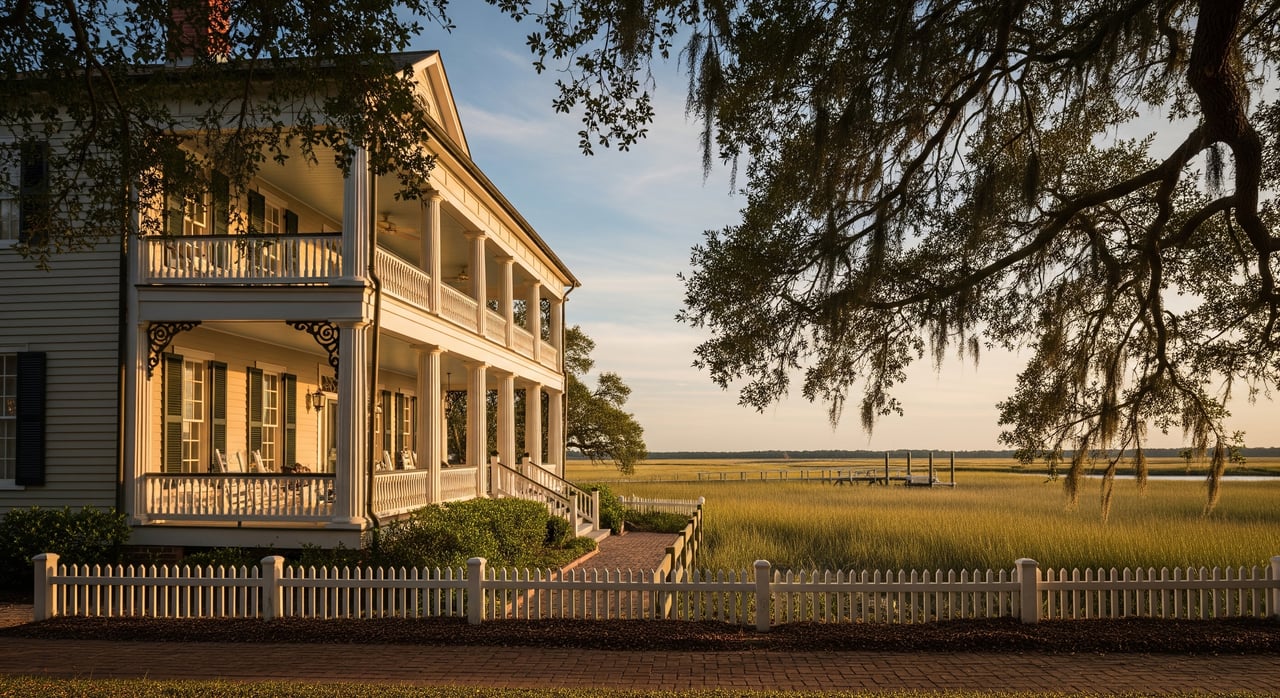
Georgetown’s Historic District centers on the waterfront and downtown. You’ll see late-18th to early-20th-century architecture, including Greek Revival, Victorian details, Colonial Revival, raised coastal cottages, shotgun cottages, and antebellum homes.
Lots tend to be compact in the downtown grid with sidewalks and short front yards. Some properties extend toward the water and may include docks or water views. Mature trees, deep porches, and walkable streets define the setting.
Inside, many homes retain original materials like heart pine flooring, plaster, and older windows. Additions and retrofits are common. If you want walkability to restaurants, museums, marinas, and events, the Historic District checks those boxes.
Newer communities: Comfort and convenience
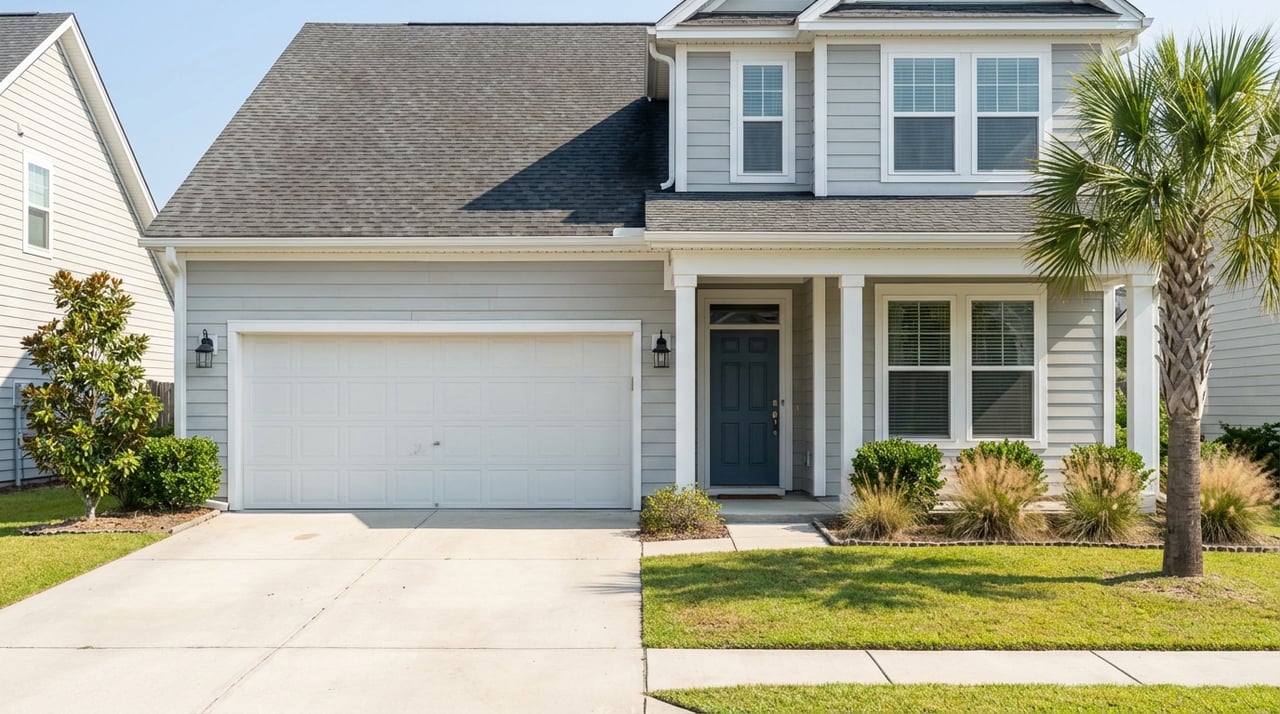
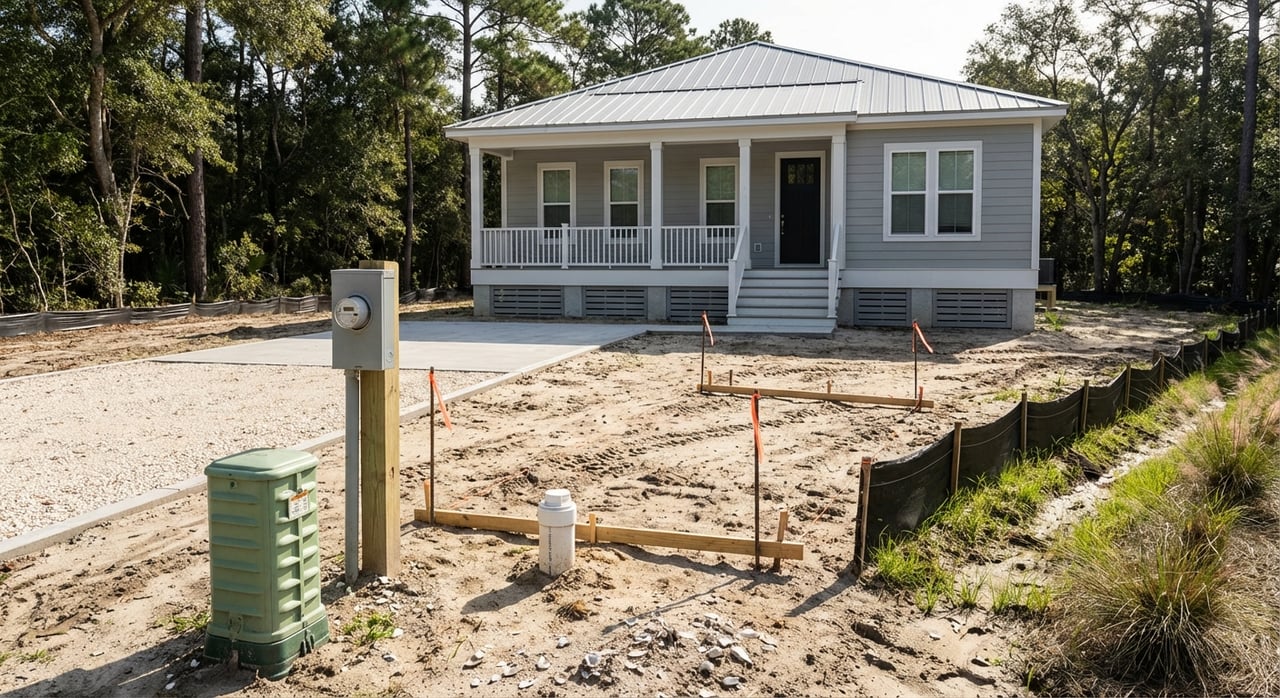
Outside the historic core, you’ll find single-story ranches, two-story family homes, modern townhomes, and cottage-style new builds. Lots are often larger, and many areas feature planned developments.
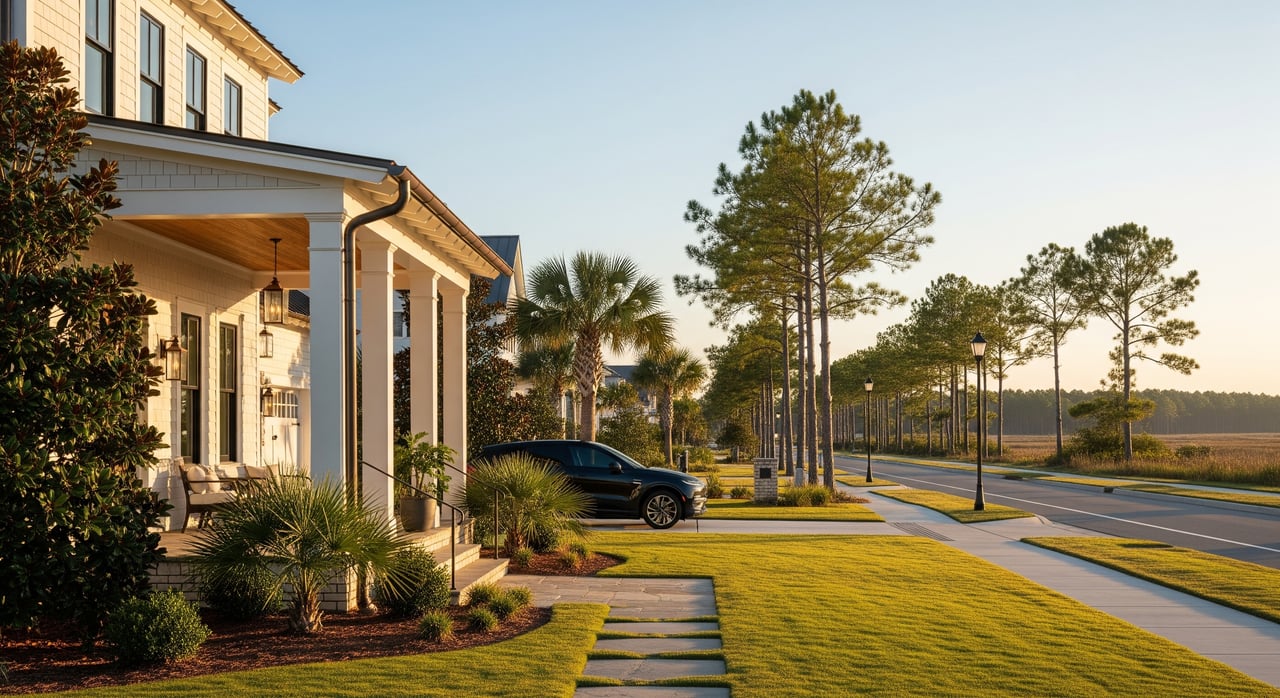
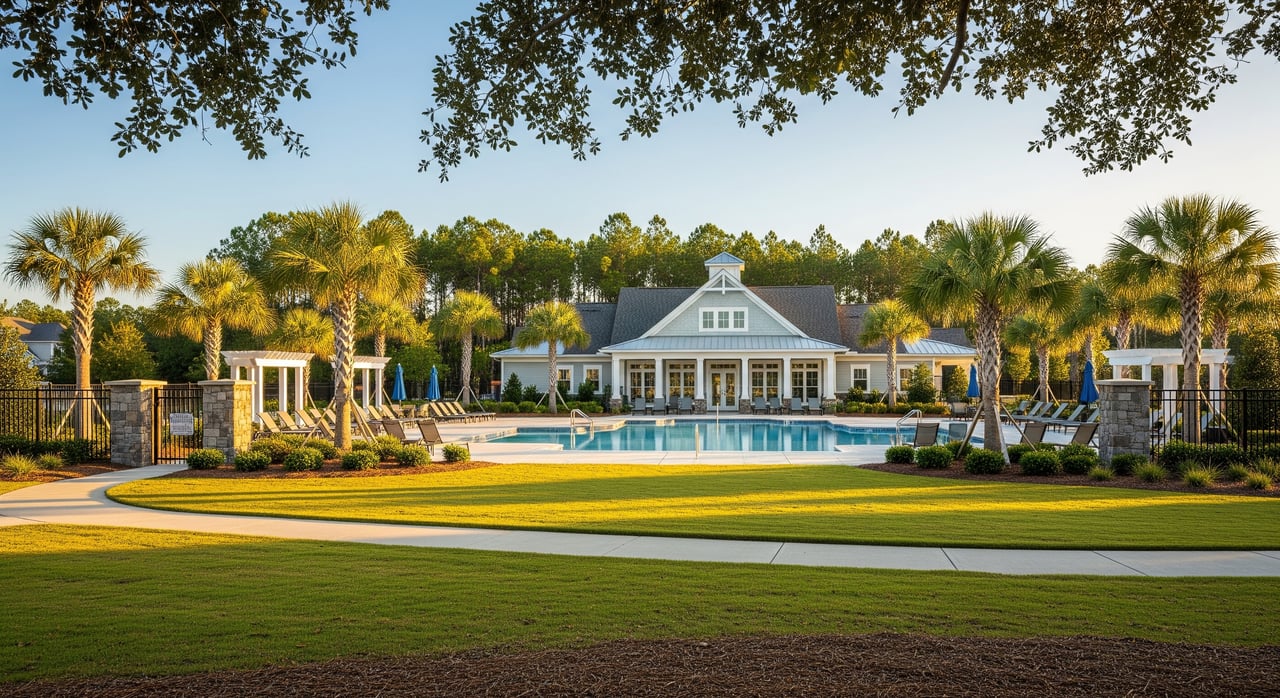
These neighborhoods commonly include sidewalks, cul-de-sacs, attached garages, and community amenities like pools and playgrounds. Homeowner associations may govern exterior standards and shared spaces.
Homes are built to modern codes with better insulation, updated electrical, and efficient HVAC. Builder warranties can reduce near-term surprise costs. If you want a modern layout, easier parking, and lower initial maintenance, newer communities tend to deliver.
Price and value drivers in Georgetown
Prices vary widely based on location, lot size, historic features, and water proximity. Waterfront and water-access properties, whether historic or new, usually command higher prices.
In the Historic District, proximity to the river, original architectural details, and larger lots can create premiums. Smaller or heavily altered cottages may offer entry points. In newer communities, square footage, lot size, amenities, and builder reputation are key drivers, with HOA fees affecting total cost of ownership.
For accurate comparisons, use recent closed sales from the last 3 to 12 months. The Georgetown County MLS is your primary source for sold comps and active listings. County tax records and GIS mapping help validate lot sizes and parcel history. Market conditions shift with mortgage rates and coastal migration, so rely on current data rather than past seasons.
Renovation and maintenance realities
Older coastal homes require different planning than newer builds. Here’s what to expect.
Common issues in older coastal homes
- Moisture exposure can lead to wood rot, termite damage, and mold.
- Foundations and piers may need stabilization if they are original or shallow.
- Outdated plumbing and electrical systems may require upgrades.
- Lead paint and possible asbestos can add remediation steps.
- Original windows and exterior trim can be costlier to repair or replicate.
Renovation scope and budget planning
- Order a full home inspection, a termite and wood-destroying organism inspection, and specific evaluations for HVAC and roof condition.
- For older coastal homes needing substantial updates, plan a renovation contingency. A conservative planning range is often 10 to 30 percent of the purchase price, depending on inspections and scope.
- Get estimates from local contractors experienced with historic materials, coastal finishes, and flood-resistant techniques.
Permits and historic review
- Exterior changes visible from the street or waterfront often require Historic Preservation Commission review in designated districts.
- Building permits are still needed for structural or mechanical work. Expect added lead time for design approvals in the Historic District.
- Contact the City of Georgetown Planning Department and the Historic Preservation Commission early to understand allowable changes, timelines, and materials guidance.
Insurance, flood, and wind considerations
- Large parts of coastal Georgetown fall within FEMA-designated flood zones. Lenders may require separate flood insurance.
- Wind and storm coverage can carry higher premiums in coastal areas and may be handled under specialized programs.
- Some insurers limit coverage for very old systems. Ask for replacement-cost options and verify requirements.
- Request a flood zone determination and check for an elevation certificate. Get insurance quotes early in your due diligence.
Daily life: Amenities, schools, and commute
Downtown access and culture
The Historic District puts you close to boutique shops, independent restaurants, marinas, waterfront boardwalks, and local museums such as the Rice Museum and Kaminski House Museum. Healthcare, small groceries, and professional services are nearby. For big-box retail, larger grocery selections, and hospitals or specialty care, plan regional trips based on your typical routine.
Newer communities may be closer to arterial roads and shopping centers depending on their location. Many are more car dependent but can trade that for space and community amenities.
Schools and attendance zones
Public schools are administered by the Georgetown County School District. School assignments vary by address, and boundaries can change. Confirm the current assignment for any specific property with the district or boundary maps. If schools affect your commute, factor in daily drive times from each neighborhood you are considering.
Commute and regional access
US Highway 17 is the main north-south corridor along the coast. Many residents work locally in tourism, hospitality, marinas, local government, and healthcare, while some commute to larger coastal employment centers. If you work from home, check broadband options at the address. Downtown properties are usually on municipal water and sewer, while some newer edge locations may use public utilities or septic. Verify utility details during due diligence.
Which path fits your goals?
Start with three anchors: your values, your budget, and your time horizon.
- Values. Do you prioritize walkability, historic character, and water views, or prefer modern layouts and community amenities?
- Budget. Beyond the purchase price, include renovation contingencies, ongoing maintenance, HOA fees, and insurance for flood and wind.
- Time horizon. Are you ready for a move-in home now, or comfortable staging improvements over months or years?
When a historic home makes sense
- You value architecture, mature landscaping, and living close to Georgetown’s cultural center.
- You are prepared to budget for ongoing maintenance and potential restoration.
- You accept design review for exterior changes and longer approval timelines.
When a newer community makes sense
- You want predictability: modern systems, lower near-term maintenance, and garages.
- You prefer easier permitting and a faster move-in.
- You want community features like pools, playgrounds, or sidewalks without the complexity of historic review.
Three quick buyer scenarios
- The Walker: You want to stroll to coffee, museums, and waterfront events. You accept periodic exterior maintenance and possible review for changes. The Historic District aligns with your lifestyle.
- The Planner: You want a four-bedroom with a garage, a fenced yard, and a community pool. You need predictable maintenance and simpler updates. A newer subdivision fits your plan.
- The Water Watcher: Your top goal is river access or a view. You will compare historic and new along the water, since water proximity drives value in both settings.
Your due diligence checklist
Use this list to move from browsing to confident action:
- Pull recent closed sales for your target areas. Compare the Historic District and specific newer subdivisions over the last 3 to 12 months.
- Order a full home inspection, a termite and wood-destroying organism inspection, and roof and HVAC evaluations.
- Confirm FEMA flood zone status and request any available elevation certificate for the property.
- Get preliminary insurance quotes for homeowners, flood, and wind coverage.
- Verify school assignments with the Georgetown County School District for the specific address.
- Contact the City of Georgetown Planning Department and Historic Preservation Commission about design review and permits if you plan exterior changes.
- If you plan to renovate, get written estimates from contractors experienced with historic or coastal work.
- Verify utility connections, including water, sewer or septic, and broadband availability.
- For historic rehabilitation incentives, review eligibility through the National Park Service and the South Carolina State Historic Preservation Office if the use is income producing.
Ready to compare homes side by side?
If you want a clear, current look at listings, recent sales, flood exposure, and likely insurance ranges by address, we can help you line it all up. Schedule a free market consultation with The Klas Team to map options that match your budget, timeline, and lifestyle.
FAQs
What are the key differences between Historic District and newer communities in Georgetown?
- Historic District homes offer walkability, original architecture, and proximity to downtown, while newer communities offer modern systems, lower initial maintenance, garages, and community amenities.
How do prices compare in Georgetown’s Historic District vs newer neighborhoods?
- Pricing depends on water proximity, lot size, and features. Historic character can command premiums, while newer homes price by square footage and amenities; use recent 3 to 12 month sales for true comparisons.
What inspections should I order for an older Georgetown home?
- Get a full home inspection, termite and wood-destroying organism inspection, plus roof, HVAC, and electrical evaluations; request any flood elevation certificate and review wind exposure.
Do I need special permits to renovate in the Historic District of Georgetown?
- Exterior changes visible from the street or waterfront often require review by the Historic Preservation Commission, and building permits are still required for structural and mechanical work.
Are flood and wind insurance common concerns in coastal Georgetown?
- Yes. Many areas are in FEMA flood zones and coastal wind exposure can raise premiums; confirm zone status early and obtain quotes before you finalize an offer.
Do historic homes in Georgetown qualify for tax credits?
- Federal and state historic rehab credits generally apply to certified income-producing properties; owner-occupied residences rarely qualify. Confirm eligibility with the National Park Service and the SC State Historic Preservation Office.
How do school assignments work for Georgetown addresses?
- The Georgetown County School District sets attendance zones that vary by address. Confirm the current assignment with the district before you buy.