Living In Carolina Forest: Neighborhoods, Schools And Commute
February 5, 2026
February 5, 2026
Thinking about putting down roots near Myrtle Beach without living right on the resort strip? If you want newer homes, neighborhood amenities, and a practical commute to work or the beach, Carolina Forest is worth a close look. You might be comparing school zones, commute times, and everyday convenience as you plan your move. This guide gives you a clear, local view of neighborhoods, schools, and getting around so you can decide with confidence. Let’s dive in.
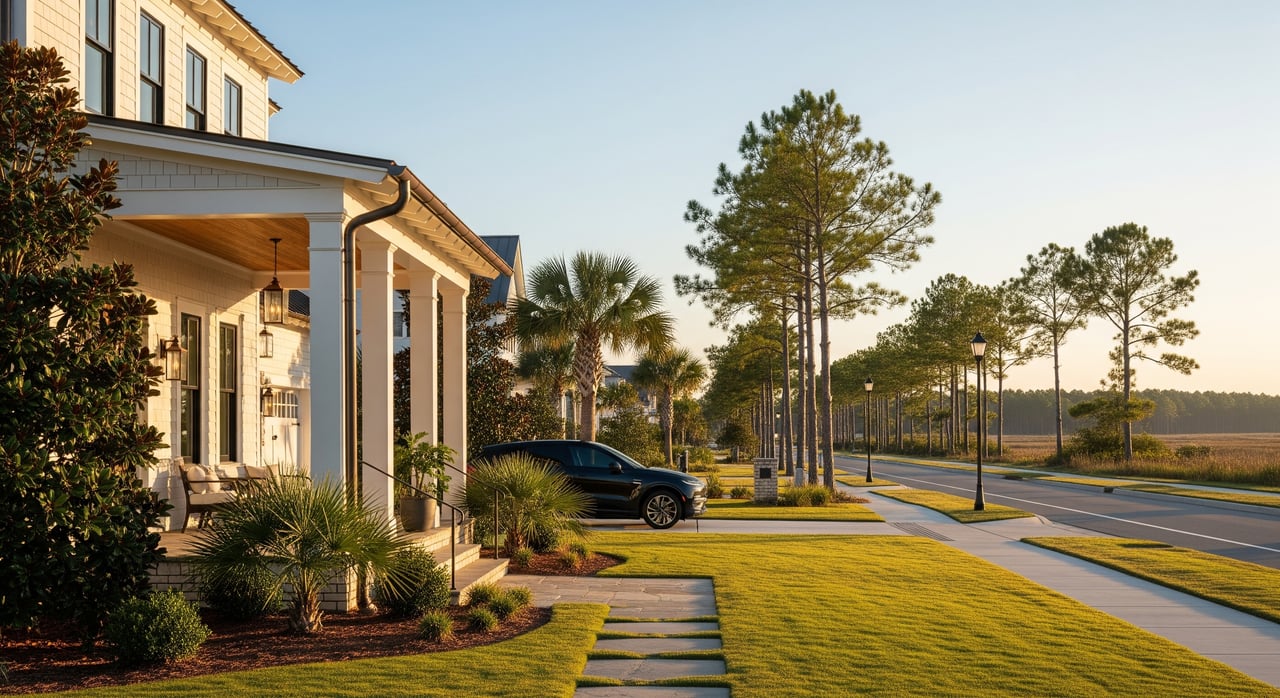
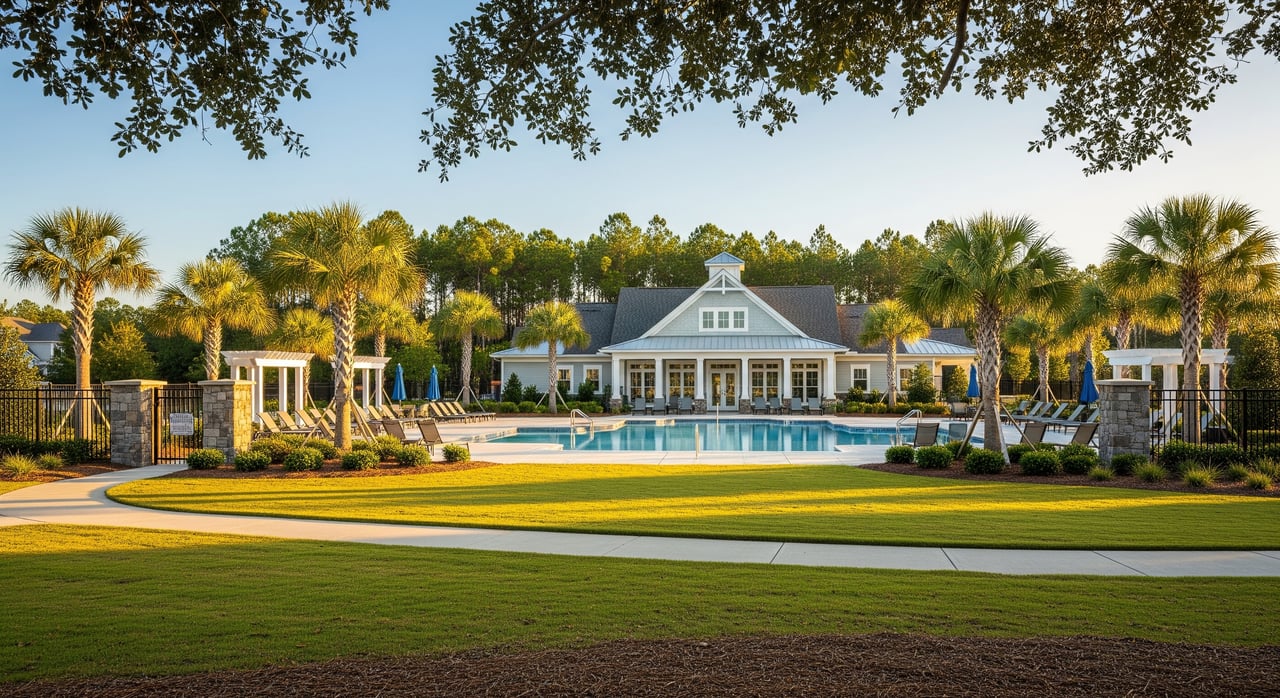
Carolina Forest is a large, master-planned suburban area in Horry County. It grew quickly in the 2000s and continues to add new neighborhoods and retail. You will find a wide mix of single-family homes and townhomes, many with community pools, playgrounds, and trails.
Buyers often choose Carolina Forest for more interior-lot options and larger yards than you typically find closer to the ocean. Price points vary by age of the home, lot size, and amenities. New construction remains active, so builder incentives and build timelines can come into play.
As the area grows, roads, schools, and utilities see periodic strain. The county and developers propose projects over time that can improve convenience or shift traffic patterns. Keep an eye on county planning updates when you start your search.
Carolina Forest includes several neighborhood formats. Understanding the differences will help you focus your search.
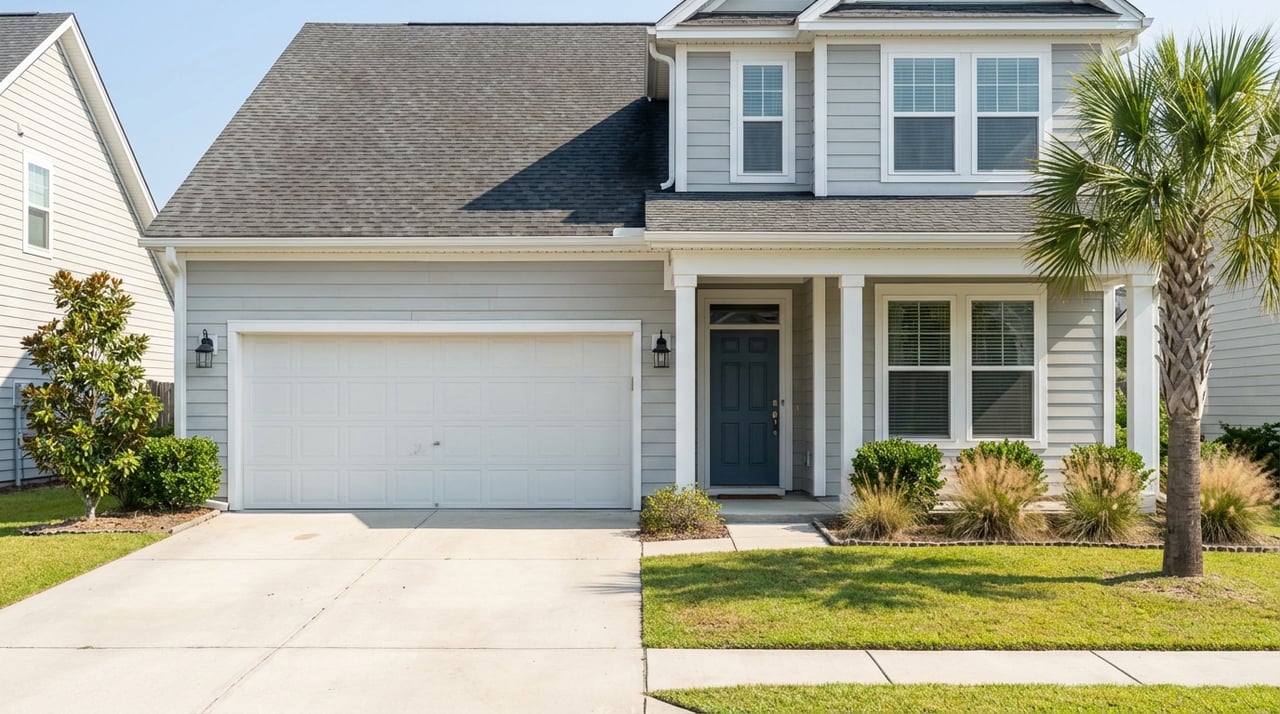
You will see traditional subdivisions of single-family homes, plus village clusters with shared amenities. Many neighborhoods operate under HOAs that maintain common areas and set community rules. Sidewalks, small parks, and community centers are common in the planned villages.
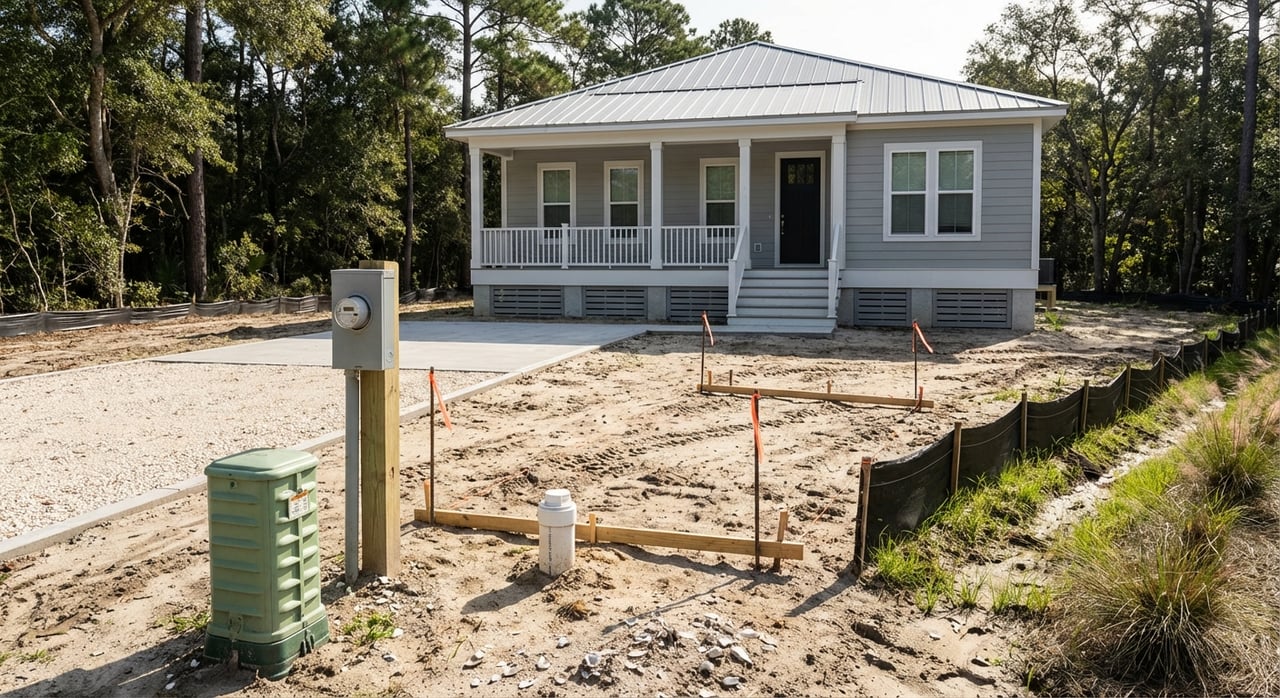
Newer phases often feature modern floor plans, energy-efficient systems, and builder warranties. If you are targeting a to-be-built home, your timeline for closing and occupancy matters. Ask about build start dates, completion windows, and what upgrades are standard vs. optional.
HOA fees and covenants vary widely. Some communities include cable or internet in dues; others focus on pool and grounds upkeep. Short-term or long-term rental policies also differ. Before you fall in love with a home, request the most recent covenants and fee schedule so you can budget and confirm any rental plans.
Carolina Forest has neighborhood sidewalks and multi-use paths in many newer areas, but it is still a suburban environment. When comparing homes, check the drive to your preferred grocery, pharmacy, and school pickup points. If a property backs to a busy arterial road, visit during rush hour to gauge noise and traffic.
Even inland locations can have localized flood risk. Review FEMA maps for the parcel you are considering and confirm any required flood insurance with your insurer. Start with the FEMA Flood Map Service Center to understand the flood zone and elevation for a specific address.
Before you write an offer, confirm details through official sources and current documents.
Carolina Forest is served by Horry County Schools (HCS). Attendance zones can change as new schools open and the area grows. Always verify your address against current maps before enrolling.
Check the latest attendance boundaries on the district website. If you plan to use bus service, confirm routes and pickup times for your neighborhood. If you are close to a boundary, consider calling the school to confirm assignment for your address.
Use the South Carolina Department of Education report cards to review test scores, graduation rates, and growth metrics. These are the state’s official data. You can combine those with school visits and conversations with administrators for a fuller picture. Parent review sites exist and can be helpful for qualitative feedback, but remember they are subjective.
You will find a range of private preschools and daycare centers across the area. Because Carolina Forest is growing, popular programs may have waitlists. If early childhood care is a priority, begin your search early and ask about application timelines.
Coastal Carolina University in nearby Conway offers cultural events, camps, and continuing education that many families enjoy. Local libraries and community centers also host after-school and summer programs that can round out your schedule.
Carolina Forest is primarily car-dependent. Most residents drive to work, school, shopping, and the beach. Public transit is available on a limited basis compared with larger metros.
Drive times vary by your exact origin and destination, time of day, and season. Use a live map app to check the routes you plan to use.
Peak tourist season can significantly increase travel times, especially on routes into Myrtle Beach and toward beach access points. Weekend mornings and evenings see the biggest spikes.
Regional parkways and bypass routes help shorten trips to beach-area destinations, while local arterials connect neighborhoods to retail and schools. For construction updates, traffic counts, or incidents, check the state’s transportation resources before major trips or when planning your daily commute.
A regional bus system operates in the Myrtle Beach and Conway area, though route coverage and frequency in Carolina Forest are limited. Check schedules to see if a route fits your commute. Inside neighborhoods, sidewalks and multi-use paths make short trips by foot or bike realistic, but long-distance bike commuting is less practical.
Carpooling, employer shuttles, and hybrid telework schedules are common solutions for residents who commute into the resort corridor.
You will find grocery stores, pharmacies, banks, and service businesses within Carolina Forest’s retail centers. Larger entertainment, specialty shopping, and dining clusters are a short drive away in Myrtle Beach, including areas like the Market Common.
Neighborhood parks, playgrounds, and walking paths are common in many communities. Nearby rivers, preserves, and forested tracts offer hiking, paddling, and wildlife viewing. Beaches are a reasonable day trip from most Carolina Forest addresses, which is part of the appeal if you want an inland home with easy beach access on weekends.
The Grand Strand is known for golf, and several courses are within a short drive. You can also find youth soccer, baseball, and other league options through local parks and recreation or YMCA-style programs. Registration windows can fill quickly, so mark your calendar for seasonal sign-ups.
Multiple hospital systems, urgent care clinics, and specialists serve Horry County. When you compare homes, map the drive to the nearest urgent care and the nearest full-service emergency room at your typical travel times. If pediatric care is important, confirm local pediatric practice availability and whether they accept your insurance.
Crime rates can vary by block. Review official crime data and ask neighbors and the HOA about local watch programs or private security. For storm and flood preparation, check elevation, flood zones, and insurance availability early in your home search.
As you narrow your list, focus on the practical details that drive day-to-day comfort and value.
If you want help sorting through options or lining up new-construction opportunities, a local team can streamline the process and pull current market data for your short list.
Ready to explore homes that fit your timing, budget, and commute plans? Connect with The Klas Team for a quick, local game plan and schedule a free market consultation.
Stay up to date on the latest real estate trends.

We'd love to hear from you! Whether you're buying, selling, or just exploring your options, we're here to provide answers, insights, and the support you need. Contact us and start planning your next move.