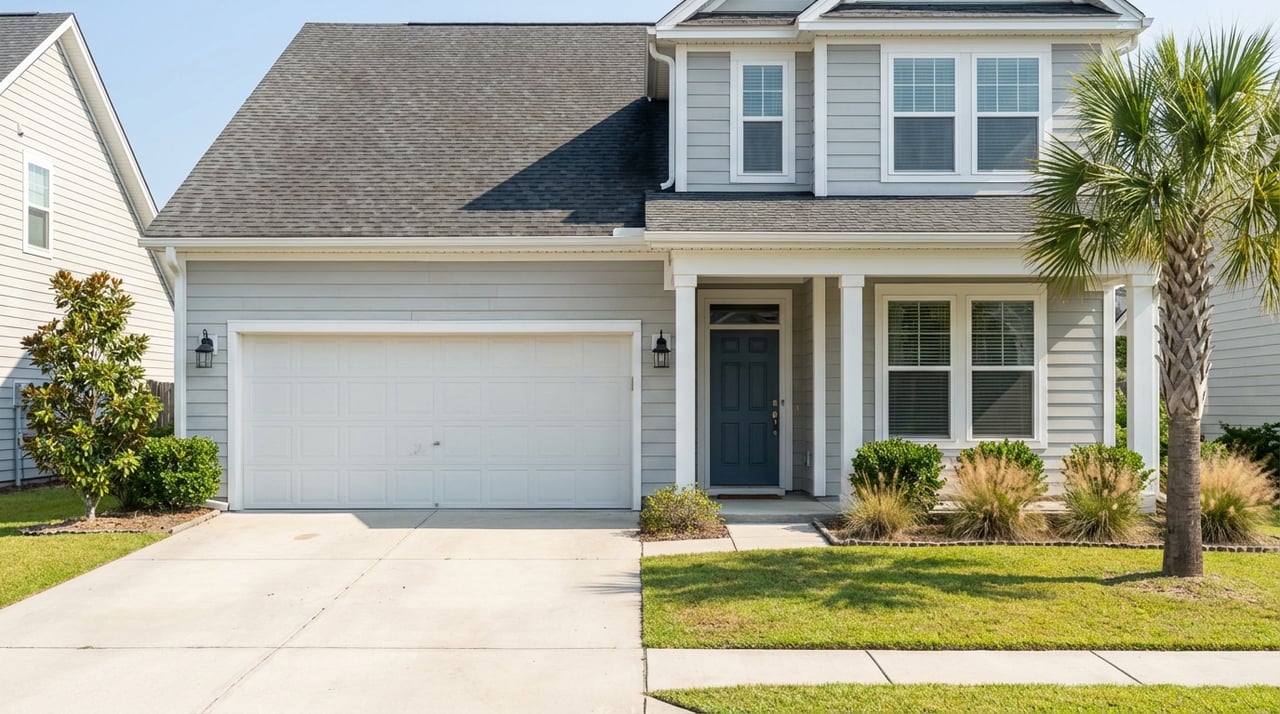
Conway Vs Carolina Forest For First-Time Homebuyers
February 26, 2026
February 26, 2026
Trying to decide between Conway and Carolina Forest for your first home? You’re not alone. Both areas offer strong value, but they feel different day to day and can impact your budget in real ways. In this guide, you’ll get a clear, side‑by‑side look at prices, housing types, HOAs, commute times, schools, and practical checks so you can choose with confidence. Let’s dive in.
If you’re budget focused, Conway often delivers a lower entry price. Recent market snapshots put typical Conway values around the high $270s to low $280s, while many Carolina Forest medians land between the mid $300s and low $400s. These ranges come from different data providers that define boundaries and dates differently, so use them as ballpark figures. The core takeaway is simple: Conway tends to be more affordable, while Carolina Forest trends higher due to newer homes and amenities.
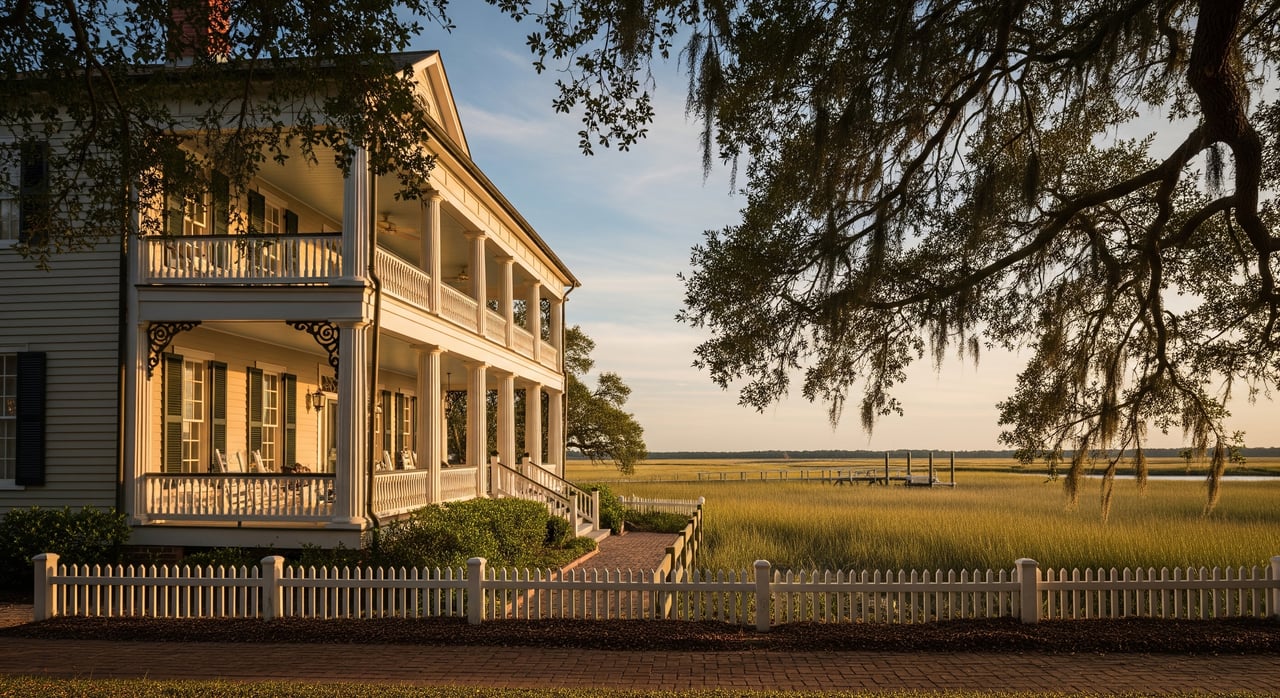
Lifestyle feels different too. Conway’s historic downtown and riverfront bring a small‑city vibe with local shops and civic life. Carolina Forest reads as suburban and master planned, with newer subdivisions and community amenities close to Myrtle Beach job and retail hubs.
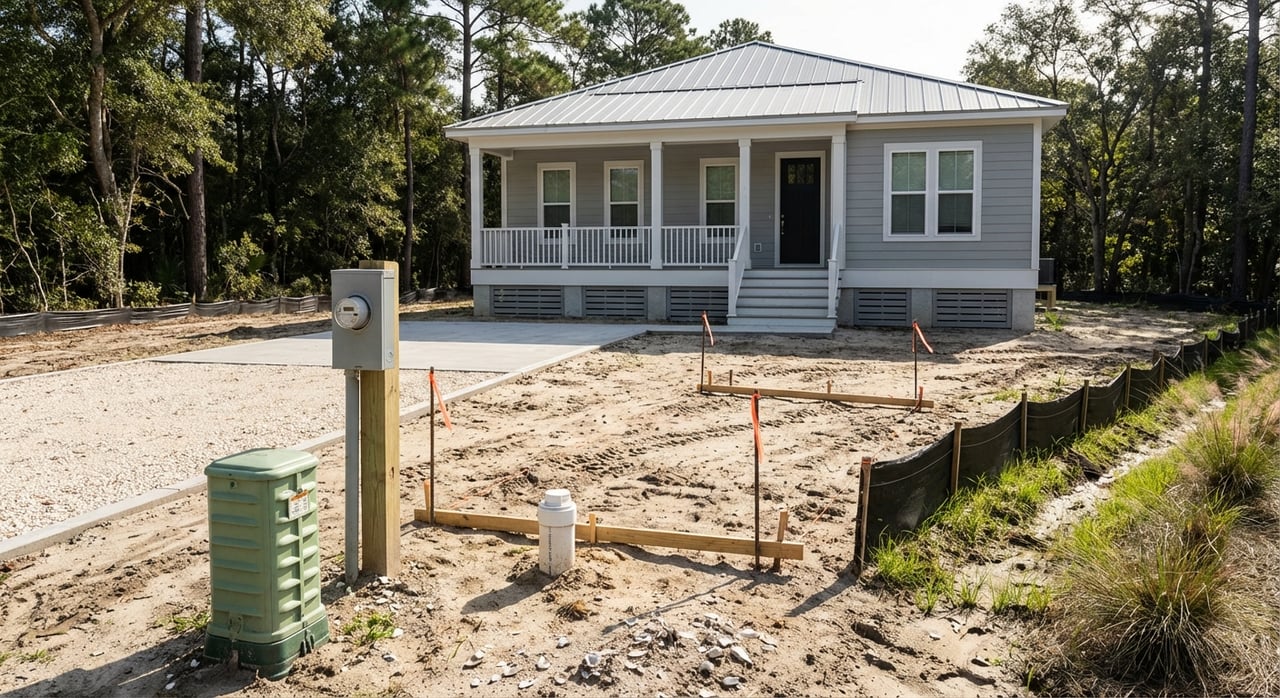
In Conway, you’ll see older bungalows and historic homes near downtown, plus newer infill and small subdivisions as you move outward. Options range from detached single‑family to some townhomes and manufactured homes. Lot sizes can vary more here, which can appeal if you value a little extra outdoor space or fewer uniform restrictions.
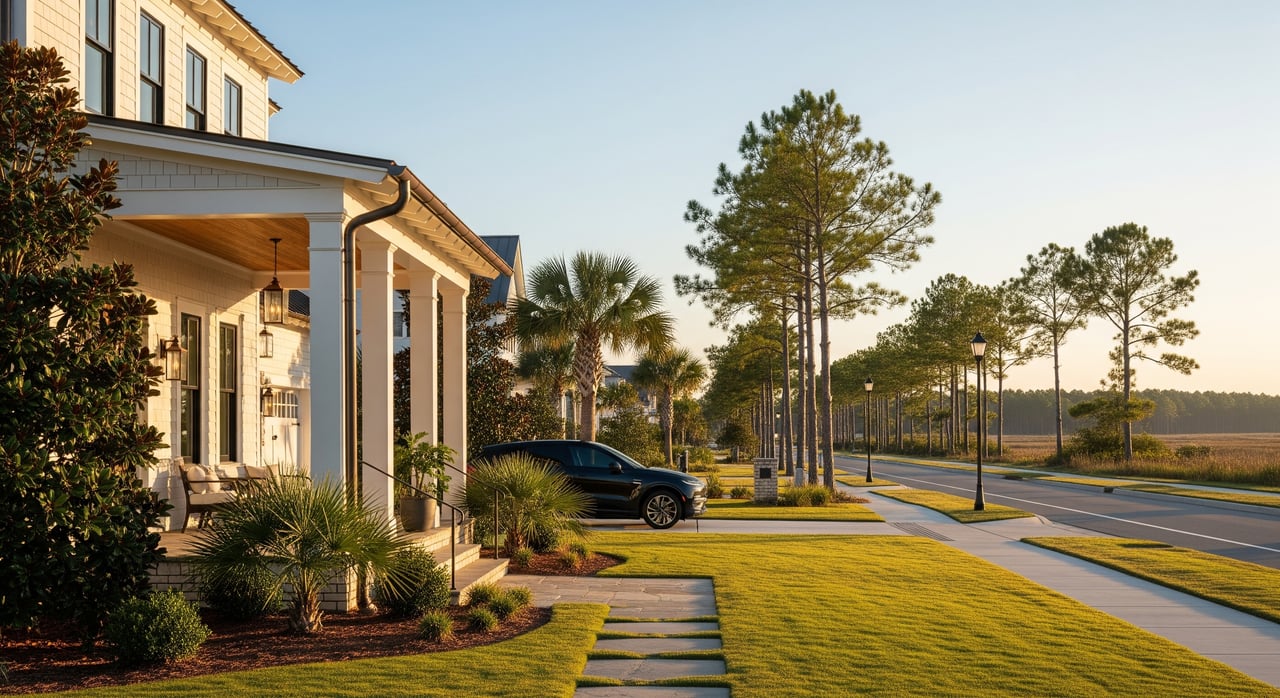
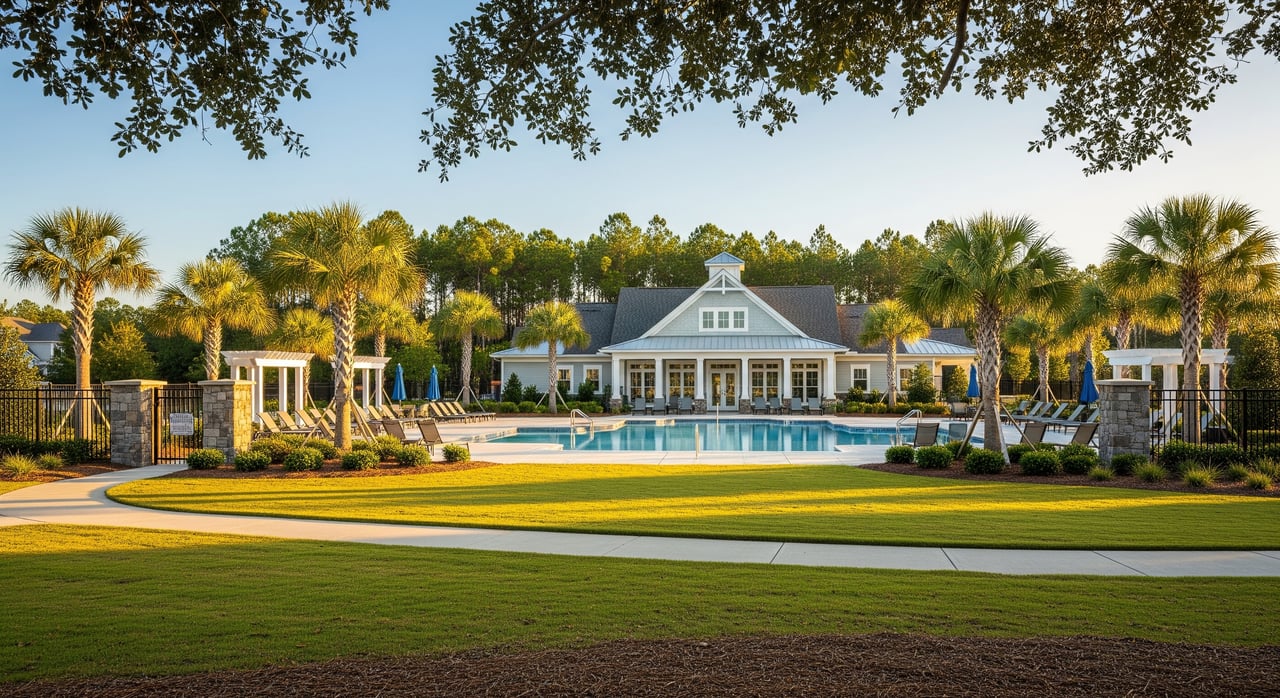
Carolina Forest is known for newer single‑family neighborhoods, many built within large, master‑planned communities. Builder activity is common, so you may find move‑in ready new construction and consistent floor plans. Amenities like pools, clubhouses, and landscaped entrances are common features that shape the overall look and feel.
HOAs are a key difference for first‑time buyers running the numbers each month.
Before you make an offer, request the HOA or POA documents. Ask for rules on rentals, recent meeting minutes, budgets, and any reserve study so you understand what you’re paying for and whether big projects are coming. Local management firms, such as Waccamaw Management, can provide a sense of how HOAs are typically run in the area.
Carolina Forest generally puts you closer to Myrtle Beach job and retail corridors. Many neighborhoods there sit within common 10 to 20 minute drives to central Myrtle Beach. From Conway, you’re often in the 15 to 30 minute range depending on route and traffic. A typical estimate for Conway to Myrtle Beach lands in the mid‑20 minutes, as shown by this driving‑time reference.
Public transit is available on a limited basis. Coast RTA’s Route 7 connects Conway and Myrtle Beach, which can help if you want a car‑light option a few days a week. Check the Route 7 schedule and note that additional routes, such as Route 15, serve parts of Carolina Forest. Since bus frequency is lower than in big cities, time your trial commute during your actual work hours.
Both areas are served by Horry County Schools, but attendance zones differ by address. Carolina Forest has purpose‑built schools within short drives of many neighborhoods, including Carolina Forest High. Conway has its own assigned schools, including Conway‑area elementary campuses. Always verify the assigned schools for the specific parcel you’re considering and ask about capacity or boundary updates.
For civic amenities, Carolina Forest offers a county library branch and recreation center nearby. Conway, as the county seat, features downtown library access and Riverwalk‑area civic and cultural amenities. If library programs matter to you, browse the listings by county branch on the South Carolina public libraries page and match the location to your target neighborhood.
Healthcare access is solid in both directions. Conway has in‑town hospital services, and the broader Myrtle Beach corridor offers additional hospitals and specialty providers. Your drive time will depend on the neighborhood you choose.
Ownership costs go beyond mortgage and HOA dues. In Horry County, your annual tax bill depends on assessed value and local millage rates. Many owner‑occupied homes qualify for the legal‑residence 4 percent assessment ratio, which lowers taxes compared with non‑primary residences. For details and sample calculations, start with the county’s Taxpayer Services FAQs.
Both Conway and Carolina Forest include areas near waterways or within neighborhood drainage systems. For any property, confirm FEMA flood‑zone status early and get an insurance quote before you finalize your offer. Even if a home is outside a mapped special flood hazard area, a lender or you may still choose to carry coverage based on elevation or local drainage patterns.
If you’re moving from renting, Conway’s lower average purchase prices can make the payment jump more manageable at entry points. Recent asking rents have often been lower in Conway than in Carolina Forest, which can help you time the transition from lease to mortgage. Your lender can estimate monthly payments for both a Conway starter home and a Carolina Forest newer build so you can compare apples to apples after taxes, insurance, and any HOA.
Use this quick list to compare addresses in Conway and Carolina Forest side by side:
If you are still unsure, tour one home in each area on the same day. Time both commutes, visit a local grocery store, and walk a nearby park or library. Your daily rhythm will make the right choice clearer.
You do not have to figure this out alone. We help first‑time buyers compare neighborhoods, run payment scenarios, line up inspections, and negotiate with confidence. If you want a clear, personalized plan for Conway or Carolina Forest, reach out to The Klas Team to schedule a free market consultation.
Stay up to date on the latest real estate trends.

We'd love to hear from you! Whether you're buying, selling, or just exploring your options, we're here to provide answers, insights, and the support you need. Contact us and start planning your next move.