Oceanfront vs Second-Row Condos in North Myrtle Beach
January 15, 2026
January 15, 2026
Buying a beach condo is exciting, but should you pay up for the view or stretch your dollar just off the sand? In North Myrtle Beach, oceanfront and second‑row condos each offer clear benefits and tradeoffs. You want a place that fits your goals, whether that is rental income, personal use, or long‑term ownership.
This guide walks you through costs, insurance, rentals, parking, access, and risk so you can choose with confidence. You will also get a practical due diligence checklist and ready‑to‑send prompts to request targeted condo lists. Let’s dive in.
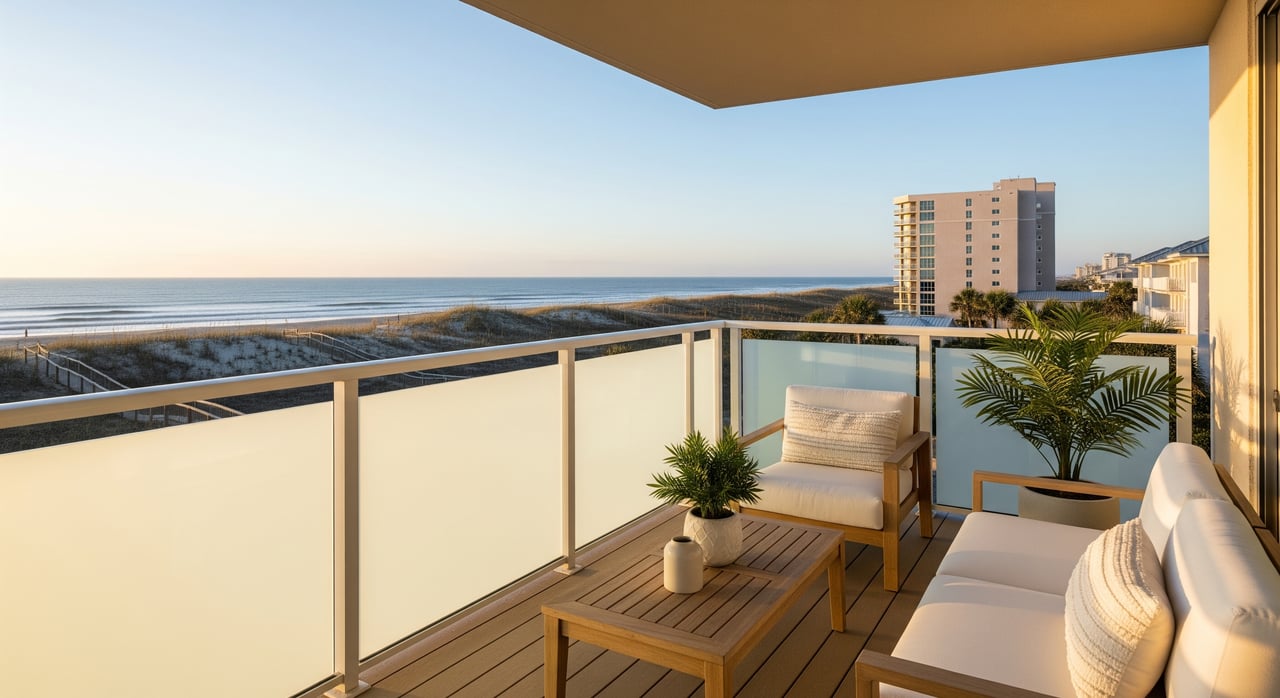
Oceanfront means direct, unobstructed frontage on the Atlantic with a view and access from the property line or a private walkway to the sand. Second‑row is the first line of properties behind oceanfront buildings and may offer partial or obstructed views. Beach access for second‑row units typically relies on nearby public access points or shared pathways.
In North Myrtle Beach, product types vary by section, including Cherry Grove, Crescent Beach, Windy Hill, and the Barefoot Resort area. Each stretch has its own mix of building ages, amenities, and rental patterns. Your choice will depend on where you want to be and how you plan to use the condo.
Oceanfront condos usually command a view premium. In many coastal markets, true oceanfront units sell for roughly 15 to 50 percent more than similar second‑row units. The exact premium in North Myrtle Beach depends on building age, floor height, unit size, view quality, and amenities.
To verify value locally, compare recent closed sales for similar floor plans and building ages in the same neighborhood. Focus on price per square foot and adjustments for view, floor, and renovations. Ground your offer in current comps rather than general rules of thumb.
Expect oceanfront buildings to carry higher HOA dues. Salt exposure increases exterior maintenance, and oceanfront amenities like beachfront pools and walkways add cost. Wind and property insurance on the master policy can also drive dues higher.
Second‑row HOA dues can be lower, but not always. Some luxury second‑row properties offer comparable amenities and costs. Ask for the current budget, reserve study, year‑to‑date financials, and any recent or pending special assessments.
Many oceanfront buildings fall within FEMA VE or AE flood zones, which can lead to higher flood insurance premiums. Second‑row properties may be in the same or lower‑risk zones, depending on elevation and exact location. Lenders can require flood insurance, and wind coverage may include hurricane deductibles.
Request the building’s flood zone designation, recent elevation certificates, and the master insurance summary. Insurance availability and cost directly affect cash flow for investors and total cost of ownership for second‑home or full‑time buyers.
North Myrtle Beach draws strong seasonal tourism, with peak demand in summer. Oceanfront units typically achieve higher nightly rates and peak‑season occupancy due to direct access and views. Shoulder seasons contribute revenue but at lower rates and occupancy.
Gross revenue is only part of the picture. Higher oceanfront purchase prices, dues, and insurance can offset income. Calculate net cash flow and cap rate using real revenue histories where possible. Short‑term rental analytics and local property managers can help you estimate occupancy and average daily rates by building.
In South Carolina, the beach below the mean high‑water line is generally public. Dry sand above that line can be private and subject to access easements or rules. Many oceanfront buildings offer private or deeded walkways, while second‑row properties rely on public access points.
Confirm how you and your guests reach the beach. Verify any deeded access, easements, and whether the HOA maintains the pathway. Convenience can vary widely from one block to the next.
Parking affects daily life and rental reviews. Older oceanfront towers may have limited or assigned parking, surface lots, or permit systems. Some buildings have valet or strict towing rules.
Second‑row buildings sometimes offer easier garage or covered parking and simpler street access. Ask about deeded spaces, guest parking capacity, vehicle restrictions, and recent parking‑related complaints in HOA meeting minutes.
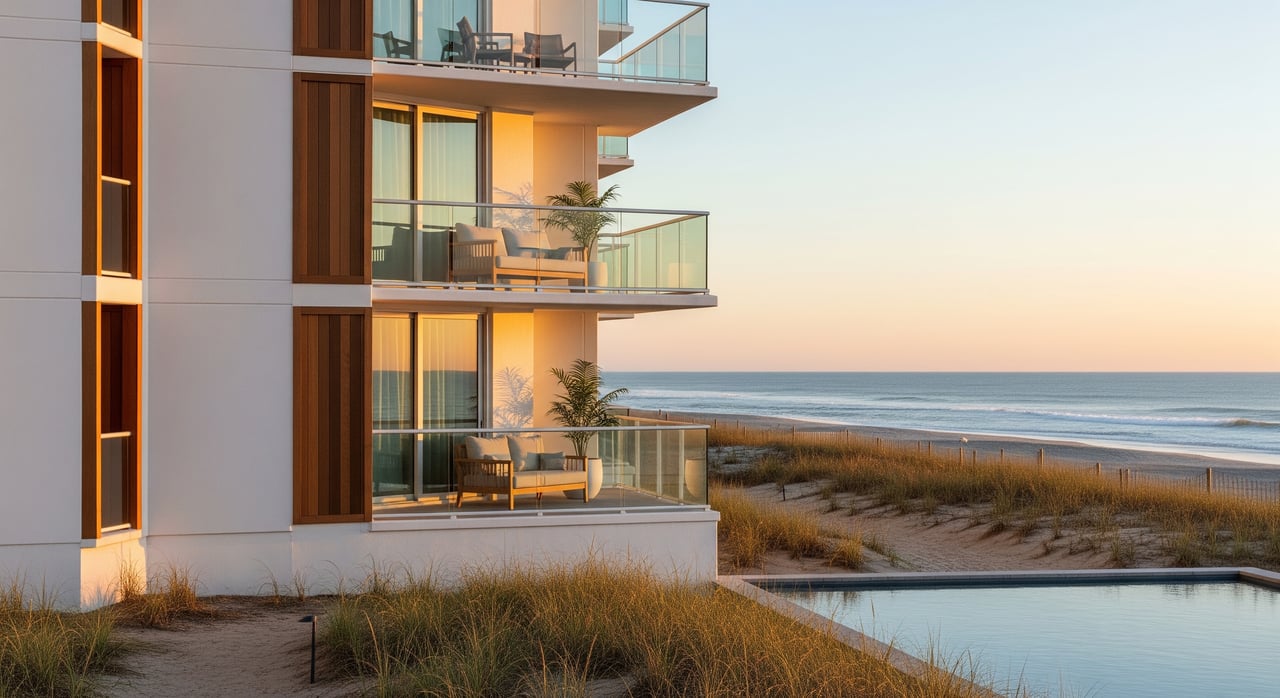
Oceanfront properties often include high‑rise buildings with elevators, large balconies, and direct beach amenities. Vertical systems like elevators and coastal façades require ongoing maintenance. Second‑row options range from low‑ to mid‑rise buildings and townhouse‑style formats, often delivering more space for the price and additional storage or garage options.
Amenities matter for lifestyle and rentals. Pools, fitness centers, and on‑site management can boost appeal and costs. Balance what you will use with what you will pay.
Oceanfront gives you unobstructed ocean views, along with more exposure to pedestrian activity, events, wind, and salt spray. Balconies may experience intense sun and wind depending on orientation.
Second‑row settings can feel quieter and may provide a different sun angle, landscaping, or privacy buffers. Some second‑row buildings still capture compelling ocean glimpses from higher floors or strategic angles.
Salt air accelerates corrosion on oceanfront structures. Expect more frequent attention to façades, railings, balconies, and exterior systems. Healthy reserve funding and a clear capital plan matter.
Review the building’s maintenance history and schedule, including roof, elevators, balconies, and HVAC systems. Consistent planning helps reduce surprises and special assessments.
HOA rules vary across North Myrtle Beach. Many buildings allow short‑term rentals, but minimum stays, management requirements, and owner responsibilities can differ. Review the declaration and rules carefully.
You should also verify city and county requirements for business licensing, occupancy limits, transient taxes, and any inspections. Compliance affects your net income and your ability to operate a rental.
Use this checklist for any oceanfront or second‑row condo you are considering:
Match neighborhood feel, access, and building type to your use case and budget. Walk the block at different times of day to test traffic, noise, and parking.
Send these to your agent to get targeted lists that fit your plan:
When you request lists, also ask for HOA budget excerpts, reserve study highlights, any rental restrictions, and nearby sold comps.
Choosing between oceanfront and second‑row in North Myrtle Beach comes down to how you will use the condo, how long you plan to own it, and your comfort with costs and risk. With clear goals and a thorough review of HOA, insurance, and rental data, you can find the right fit and price it with confidence.
If you want help sourcing current comps, insurance ranges, and rental histories, schedule a free market consultation with The Klas Team. We will align options with your budget and goals and streamline your next steps.
Stay up to date on the latest real estate trends.

We'd love to hear from you! Whether you're buying, selling, or just exploring your options, we're here to provide answers, insights, and the support you need. Contact us and start planning your next move.